People experience problems with their wisdom teeth in a variety of ways. For some people, this may mean pain while chewing and swollen gums. For others, it may mean discomfort while brushing and gums that bleed while brushing. At times, the symptoms may not be a cause for concern; however, if the symptoms are experienced repeatedly, then that may mean that the wisdom teeth are growing in an incorrect manner. People tend to believe that having wisdom teeth is not problematic for the majority of people; however, in some cases, it may be problematic not to treat the wisdom teeth.
A person tends to experience problems with wisdom teeth between the ages of 17 and 25. This is because these are the last set of teeth to develop, and sometimes there is not enough space for them to develop properly. DentaAesthetica, a dental clinic located in Gurgaon, is experienced in these types of cases and can help determine if wisdom tooth extraction is necessary or if the wisdom tooth can be left untreated.
Why are Wisdom Teeth Problematic?
Problems related to wisdom teeth occur due to the limited space at the back of the mouth. As a result, a tooth may not come out properly and get impacted. A wisdom tooth may also get trapped under the gums or come out only partially.
Not every wisdom tooth needs to come out. If your wisdom teeth come in perfectly, remain healthy, and can be cleaned properly, your dentist may suggest routine checks instead of extraction.
There are situations where a wisdom tooth needs to be removed. A tooth can cause constant pain and gum infections. A tooth can also cause damage and decay to surrounding teeth. If a tooth is coming in sideways and causes an abscess or other infection, it can make proper cleaning of the other surrounding teeth almost impossible.
In some cases, a cyst can form around a tooth and begin to destroy the bone around it. A tooth can cause damage and a number of infections that can’t be controlled. If a tooth can not be kept healthy and causes damage, it is best to remove it.
If you have any pain or discomfort that seems to come and go, especially in the back of your mouth, you should have it checked. It could be the early stages of an infection or cyst. Better safe than sorry!
Dental X-rays may be necessary to evaluate the position of the wisdom tooth, the extent of the roots, and the relationship to nearby teeth. Dental X-rays help the dentist determine whether the wisdom tooth can be easily removed or if it will require surgical removal.
The treatment option will depend on the position of the tooth in relation to the other teeth, your oral health status, and the problems caused by the wisdom tooth. At DentaAesthetica in Gurgaon, discussing your concerns during the dental consultation will help you understand your treatment options better.
What can you Expect During the Procedure?
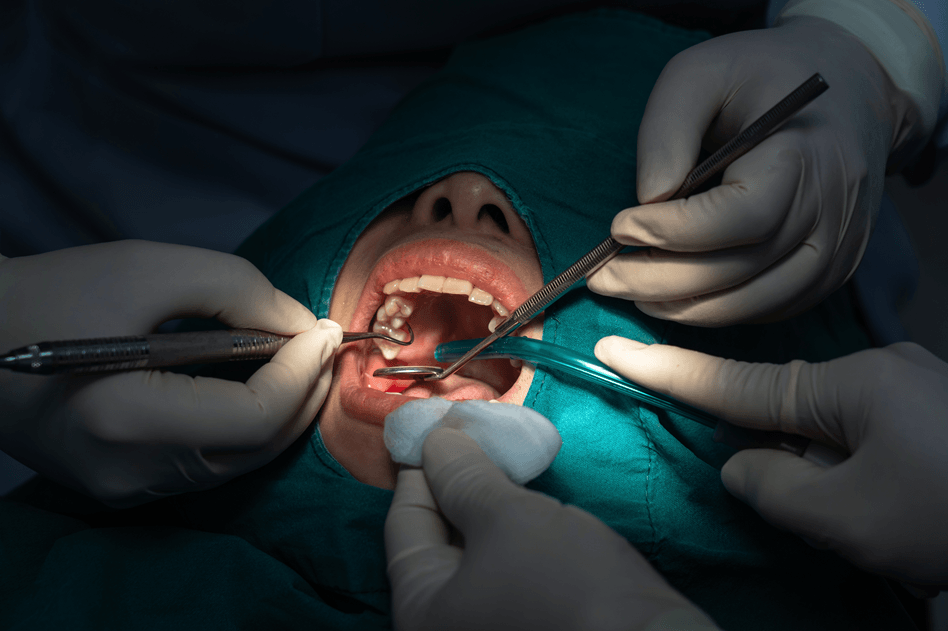
The procedure to remove a wisdom tooth is not complicated; however, it can vary from case to case. If the tooth is completely erupted, removal can be easily achieved with a simple extraction. A completely impacted wisdom tooth can be removed after creating a small flap in the gum. The tooth may be removed in large pieces, or it may be sectioned into smaller pieces.
Local anesthesia is used to numb the area where the tooth will be removed. This reduces pain during the procedure. You may feel pressure during the process, but should not feel any pain. Your dentist may discuss the process and risks involved before the procedure.
Understanding the process can help ease your anxiety for your first dental extraction.
What Can You Expect After the Procedure?
After the removal of the wisdom tooth, it is normal to have pain, swelling and tenderness, which will improve over the days. Recovery is generally faster in simple extractions compared to more complex extractions.
Consume soft foods and liquids, especially yoghurt, mashed potatoes, and chilled soups. Water is especially good for this. Also, follow your dentist’s instructions for cleaning your mouth, and do not smoke or drink through straws during the healing process. These can all disturb the blood clot during the healing process.
The healing time varies from person to person. Some are able to fully function again in a day or 2, but some take a week. More severe cases or larger surgeries can take longer. Contact your dentist if you notice swelling in your face, jaw, or throat; pus-like drainage from your extraction site; or your pain, bleeding, and/or swelling do not improve 3-4 days after surgery. If you have trouble breathing or swallowing, this is considered a medical emergency, and you should call 911.
Take the Right Step for Your Dental Health
Ignoring wisdom tooth pain doesn’t always mean you need them removed, and some people don’t have any issues with their wisdom teeth. Have an assessment done to determine the correct course of action.
DentaAesthetica, located in Gurgaon, can help you understand the available options for wisdom tooth treatment. Having your teeth examined at an early stage can benefit you in many ways. For example, you can gain clarity and make a plan for the course of your treatment to achieve and maintain healthy teeth. It can also help avoid complications and their expenses.
Frequently Asked Questions
1. At what age should wisdom teeth be removed?
According to the American Association of Oral and Maxillofacial Surgeons, wisdom teeth often appear between the ages of 17 and 25. However, age alone isn’t an indicator of when the teeth should be removed. If the wisdom teeth are healthy, then they just need to be monitored.
2. Is wisdom tooth removal painful?
It is not painful since the gums are numbed with local anaesthesia. Post-surgery, some pain and swelling can occur; however, painkillers and proper post-surgery care can help manage the pain.
3. Can I avoid surgery if my wisdom tooth does not hurt?
Pain alone is not an indicator of when a tooth should be extracted. A wisdom tooth that is healthy and in the correct position is, theoretically, not necessary to be removed. However, some dental problems can occur with no symptoms; therefore, it is important to have routine check-ups.